|
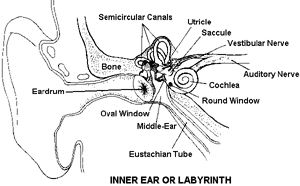
As sound enters the outer ear, it is channeled down the ear canal until it reaches the ear drum. The ear drum, a thin membrane stretched over a tube, is moved by the sound waves. When the sound vibrations reach the coiled, liquid-filled tube called the cochlea, thousands of hair cells in the cochlea translate these vibrations into electrical impulses that are transmitted to the brain for interpretation. Repeated exposure to loud sounds can permanently damage the tiny hairs called cilia. Once the cilia are damaged, they never grow back.
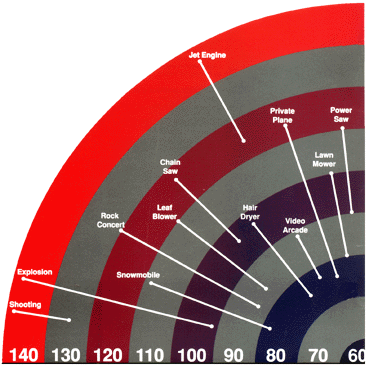
Continual, unprotected exposure to noises louder than 85 decibels (dB) for 8 hours or more can be dangerous, and may result in hearing loss. Permanent damage by sounds reaching over 100dB or more, can occur in 2 hours or less. If you are exposed to loud and continuous sound for more than 15 minutes per day at 100 to 110 dB, you need to wear hearing protection. Even brief exposure to gun blasts or jet engine noise can cause pain and permanent injury if your ears are not protected.
Hearing loss is cumulative and once lost, can never be regained. The best way to protect your hearing is to create a habit of wearing comfortable hearing protection. Several types of ear plugs, bands or ear muffs are created by Howard Leight Industries with two major features: Superior performance (measured as high Noise Reduction Ratings, or NRR) and most importantly, comfort for the wearer.
HOW DO WE GO ABOUT PROTECTING OUR HEARING?
Here are some recommendations for hearing protection, whether you are a worker, safety director, purchaser, or just someone who knows it is necessary.
- Know your hazard. Whenever possible, measure the noise levels in your environment on a frequent basis to determine exactly what the hazards are, and have an understanding in what frequency ranges the majority of the noise occurs.
- Trust the annual audiogram. Rely on this information to gauge your hearing loss from year to year. Is your hearing deteriorating? Is it due to noise induced losses from the workplace, or simply the facts of aging?
- Select hearing protection that is right for you, that is comfortable for you, and that you will wear.
- Wear your hearing protection right. Each type of hearing protector is slightly different. The important thing to remember is that you need to insert ear plugs correctly, or ear muffs completely over the ears. Then, you must always test the fit.
- To test the fit, cup your hands over your ears, then release. If you can hear a difference, you may not be wearing your hearing protector correctly. Remove, then fit again.
Following these simple guidelines, you can save your hearing from further hazardous exposure and potential hearing loss.
|